The Tuileries Garden (French: Jardin des Tuileries, IPA: [ʒaʁdɛ̃ de tɥilʁi]) is a public garden located between the Louvre Museum and the Place de la Concorde in the 1st arrondissement of Paris. Created by Catherine de Medici as the garden of the Tuileries Palace in 1564, it was eventually opened to the public in 1667, and became a public park after the French Revolution. In the 19th and 20th century, it was the place where Parisians celebrated, met, promenaded, and relaxed.[1]

Things I see:
1. Flowers
2. Fountains
3. Statues
4. Arch
5. Bridge
Pont Alexandre III
The Pont Alexandre III is a deck arch bridge that spans the Seine in Paris. It connects the Champs-Élysées quarter with those of the Invalides and Eiffel Tower. The bridge is widely regarded as the most ornate, extravagant bridge in the city.[2][3] It is classified as a French Monument historique.

Hotel De
Things I see:
1. Bridge
2. Seine
3. Eiffel Tower
4. Boats
5. Tourists
Ville
The Hôtel de Ville (French pronunciation: [otɛl də vil], City Hall) in Paris, France, is the building housing the city's local administration. Standing on the place de l'Hôtel-de-Ville in the 4th arrondissement, it has been the headquarters of the municipality of Paris since 1357. It serves multiple functions, housing the local administration, the Mayor of Paris (since 1977), and also serves as a venue for large receptions.

Things I see:
1. Chandiliers
2. Peaks
3. Tourists
4. Windows
5. Archs
Disneyland Paris
Disneyland Paris, originally Euro Disney Resort, is an entertainment resort in Marne-la-Vallée, a new town located 32 km (20 mi) east of the centre of Paris, and is the most visited theme park in all of France and Europe.[1] It is owned and operated by Euro Disney S.C.A., a publicly traded company in which The Walt Disney Company owns a majority stake.[2] The resort covers 4,800 acres (19 km2)[3] and encompasses two theme parks, several resort hotels, a shopping, dining, and entertainment complex, and a golf course, in addition to several additional recreational and entertainment venues. Disneyland Park is the original theme park of the complex, opening with the resort on 12 April 1992. A second theme park, Walt Disney Studios Park, opened in 2002. The resort is the second Disney park to open outside the United States, following the opening of the Tokyo Disney Resort in 1983.
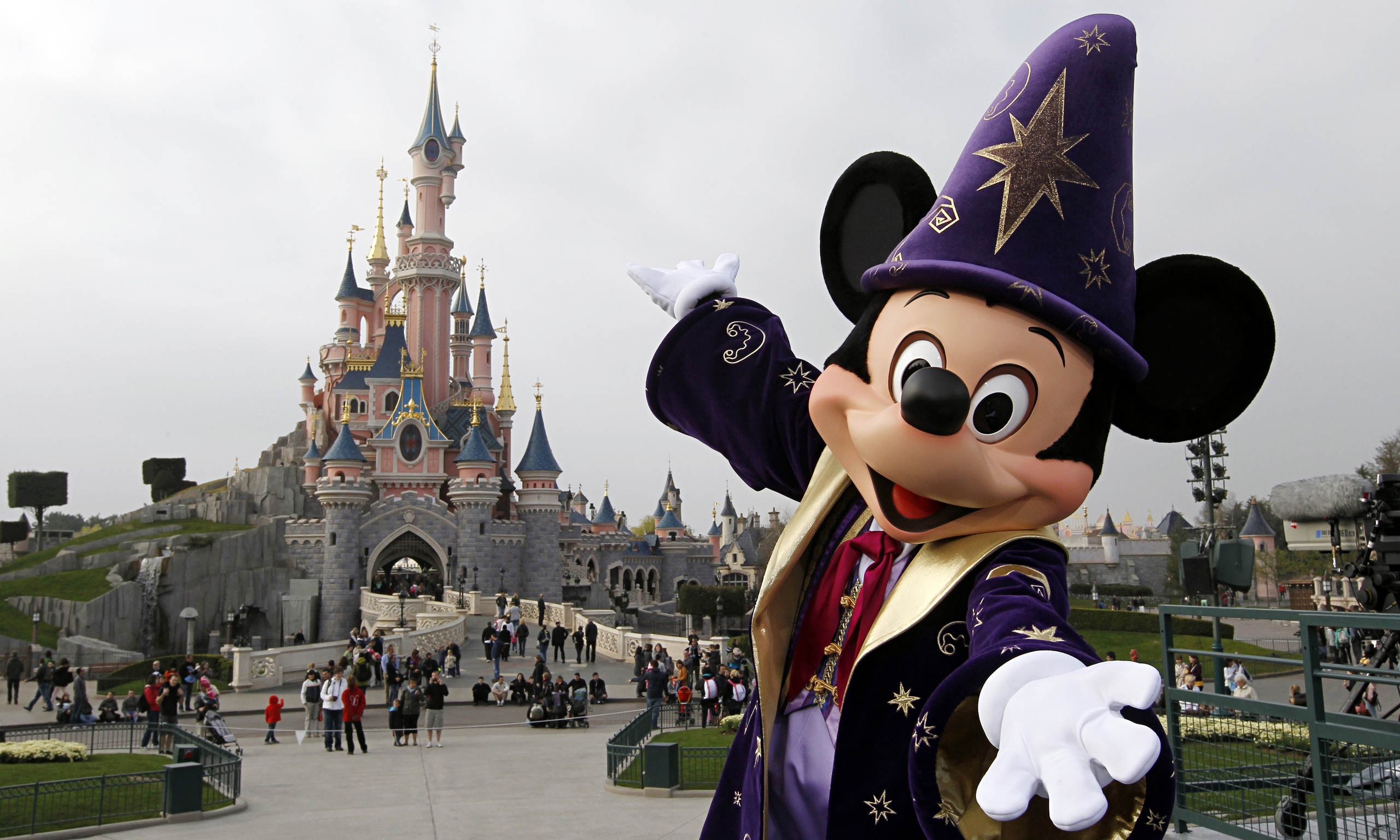
Things I see:
1.
2.
3.
4.
5.
Place de Concord
The Place de la Concorde (French pronunciation: [plas də la kɔ̃kɔʁd]) is one of the major public squares in Paris, France. Measuring 8.64 hectares (21.3 acres) in area, it is the largest square in the French capital. It is located in the city's eighth arrondissement, at the eastern end of the Champs-Élysées.

Things I see:
1.
2.
3.
4.
5.
Catacombs de Paris
The Catacombs of Paris (French: Catacombes de Paris,
 (help·info)) are underground ossuaries in Paris, France which hold the remains of over six million people[1] in a small part of the ancient Mines of Paris tunnel network. Located south of the former city gate "Barrière d’Enfer" (Gate of Hell) beneath Rue de la Tombe-Issoire,
the ossuary was founded when city officials were faced with two
simultaneous problems: a series of cave-ins starting in 1774 and
overflowing cemeteries, particularly Saint Innocents.
Nightly processions of bones from 1786 to 1788 transferred remains from
cemeteries to the reinforced tunnels, and more remains were added in
later years. The underground cemetery became a tourist attraction on a
small scale from the early 19th century, and has been open to the public
on a regular basis since 1874 with surface access from a building at Place Denfert-Rochereau
(help·info)) are underground ossuaries in Paris, France which hold the remains of over six million people[1] in a small part of the ancient Mines of Paris tunnel network. Located south of the former city gate "Barrière d’Enfer" (Gate of Hell) beneath Rue de la Tombe-Issoire,
the ossuary was founded when city officials were faced with two
simultaneous problems: a series of cave-ins starting in 1774 and
overflowing cemeteries, particularly Saint Innocents.
Nightly processions of bones from 1786 to 1788 transferred remains from
cemeteries to the reinforced tunnels, and more remains were added in
later years. The underground cemetery became a tourist attraction on a
small scale from the early 19th century, and has been open to the public
on a regular basis since 1874 with surface access from a building at Place Denfert-Rochereau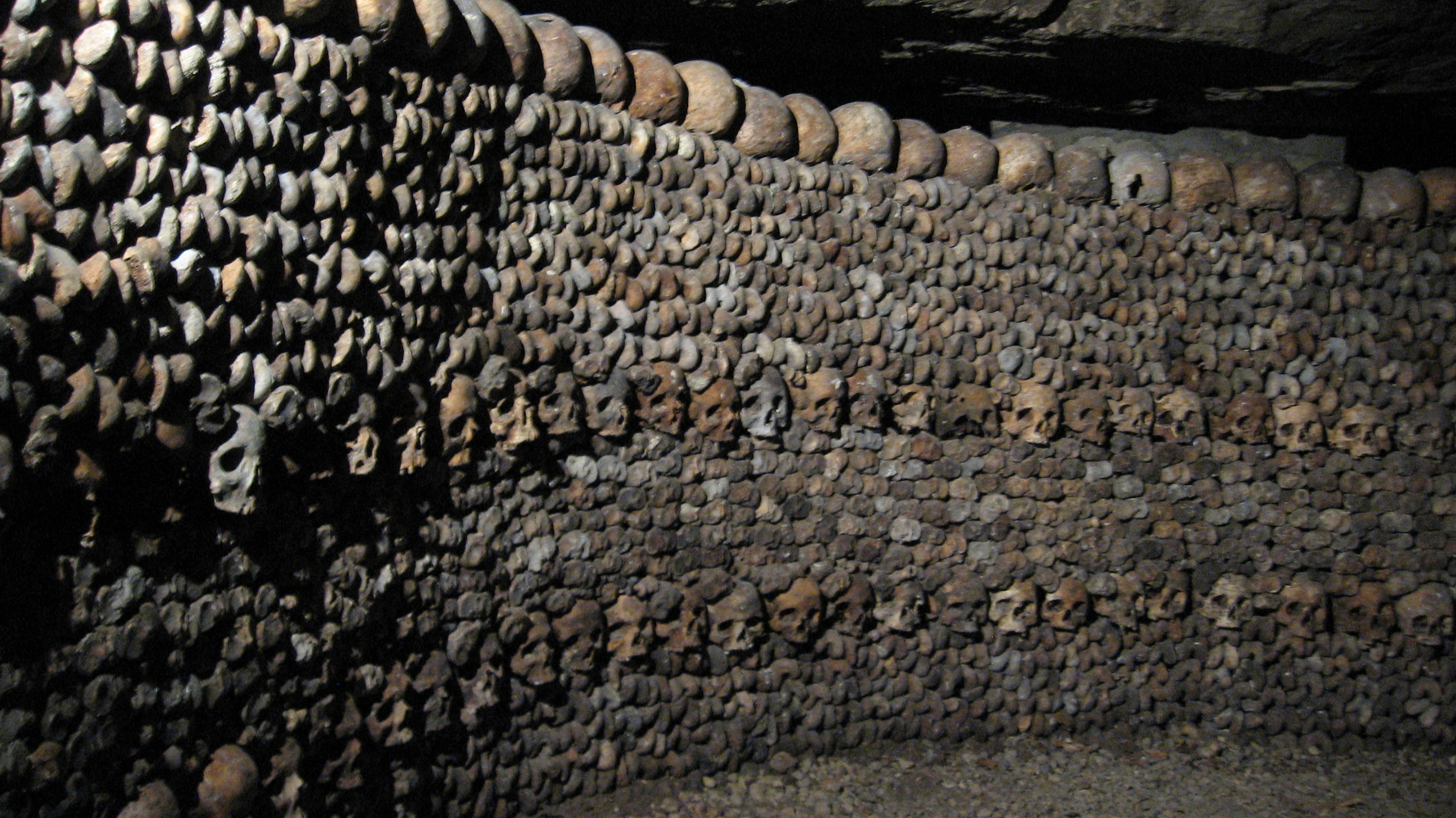
Things I see:
1.
2.
3.
4.
5.
The Latin Quarter
Known for its student life, lively atmosphere and bistros, the Latin Quarter is the home to a number of higher education establishments besides the university itself, such as the Lang–Martinez Psychiatric Hospital, the École des Mines de Paris, Panthéon-Assas University, the Schola Cantorum, and the Jussieu university campus. Other establishments such as the École Polytechnique have relocated in recent times to more spacious settings.

Things I see:
1.
2.
3.
4.
5.
Saint Germain
The Benedictine Abbey of Saint-Germain-des-Prés (French pronunciation: [sɛ̃ ʒɛʁmɛ̃ de pʁe]), just beyond the outskirts of early medieval Paris, was the burial place of Merovingian kings of Neustria. At that time, the Left Bank of Paris was prone to flooding from the Seine, so much of the land could not be built upon and the Abbey stood in the middle of fields, or prés in French, thereby explaining its appellation.

Things I see:
1.
2.
3.
4.
5.
Montmarte
Montmartre (French pronunciation: [mɔ̃.maʁtʁ]) is a large hill in Paris's 18th arrondissement. It is 130 metres high and gives its name to the surrounding district, part of the Right Bank in the northern section of the city. The historic district established by the City of Paris in 1995 is bordered by rue Caulaincourt and rue Custine on the north; rue de Clignancourt on the east; boulevard de Clichy and boulevard de Rochechouart to the south.[1] containing sixty hectares.[2] Montmartre is primarily known for the white-domed Basilica of the Sacré-Cœur on its summit and as a nightclub district. The other, older, church on the hill is Saint Pierre de Montmartre, which claims to be the location at which the Jesuit order of priests was founded.

Things I see:
1.
2.
3.
4.
5.


